
Choosing the right snow rental equipment is one of the most important steps when planning your first skiing or snowboarding trip. If you are new to snow sports, the number of available options can feel confusing. From skis and snowboards to boots, helmets, goggles, and winter clothing, every piece of equipment plays an important role in your experience.
The good news is that you do not need to purchase expensive equipment before your first trip. Renting is an affordable and convenient way to explore snow sports while learning what works best for you. However, choosing the wrong size or unsuitable equipment can make your first experience uncomfortable.
Table of Contents
- Why Beginners Should Rent Snow Equipment
- Understanding the Main Types of Snow Equipment
- How to Choose the Right Ski Equipment
- Choosing the Right Snowboard Equipment
- Key Features of Snow Rental
- Finding the Perfect Boots and Comfortable Fit
- Essential Snow Clothing and Accessories
- Safety Equipment Every Beginner Needs
- Understanding Snow Rental Packages and Prices
- Factors to Consider Before Renting Snow Equipment
- How to Choose the Best Snow Rental Shop
- Advantages of Snow Rental Equipment
- Disadvantages of Snow Rental Equipment
- Is Snow Equipment Rental Suitable for Families?
- Common Mistakes Beginners Should Avoid
- Tips for a Smooth Snow Rental Experience
- Conclusion
- Frequently Asked Questions
Why Beginners Should Rent Snow Equipment
Cost Savings and Convenience
Buying skiing or snowboarding equipment can be expensive, especially when you are not sure whether you will continue the sport. Renting allows beginners to access quality equipment without making a large investment. You can rent skis, snowboards, boots, helmets, and other essential items according to your requirements.
Another advantage is convenience. Most ski resorts have rental shops where visitors can collect their equipment before heading to the slopes. You also avoid transporting bulky equipment during your journey. If something does not fit properly, rental shops can often replace or adjust it.
Opportunity to Try Different Equipment
Every beginner has different preferences. Some people feel more comfortable skiing, while others enjoy snowboarding. Renting gives you an opportunity to try different equipment before deciding what you might eventually purchase.
Rental shops also offer equipment designed for different skill levels. Beginners can select softer, more forgiving equipment that makes learning easier. As your confidence and skills improve, you can explore more advanced options.
Understanding the Main Types of Snow Equipment
Skis and Snowboards
Skis and snowboards are the two main types of equipment used for downhill snow sports. Skis allow you to move with one ski attached to each foot, while snowboarding uses a single board with both feet attached.
For beginners, choosing equipment designed for entry-level use is important. Beginner skis are generally easier to control and turn, while beginner snowboards usually have softer flex, making them more forgiving.
Before renting, consider your experience, height, weight, and preferred activity. Rental staff can help you select equipment that matches your ability.
Boots, Poles, and Helmets
Boots are another important part of your rental setup. Ski boots connect your feet to the skis and provide the support needed for controlling movement. Snowboard boots provide comfort and connect with the board through bindings.
Ski poles help maintain balance and rhythm while skiing, although some beginner lessons start without them. Helmets protect your head and should always be part of your equipment preparation.
How to Choose the Right Ski Equipment
Choosing the correct skis can make your first skiing experience much easier. Beginners generally benefit from shorter, softer skis because they are easier to turn and control at lower speeds.
Your height, weight, skiing ability, and the type of terrain you plan to use all influence the correct ski selection. Rental professionals can recommend suitable lengths based on these details.
Avoid selecting skis simply because they look attractive or appear more advanced. Professional-level equipment may be difficult for beginners to control.
For your first experience, choose beginner-friendly skis designed for groomed slopes. These provide a more comfortable learning experience and help you develop basic turning and stopping techniques.
Choosing the Right Snowboard Equipment
If you prefer snowboarding, selecting the right board is equally important. Beginners should generally choose a flexible snowboard that allows easier movement and turning.
The board should match your height, weight, boot size, and experience level. An unsuitable board can make balancing and controlling your direction more difficult.
You should check the bindings as well, since they link your boots to the snowboard. Ask rental staff to adjust the bindings according to your stance and comfort.
Do not experiment with complicated professional equipment during your first session. A basic beginner snowboard is usually a better choice.
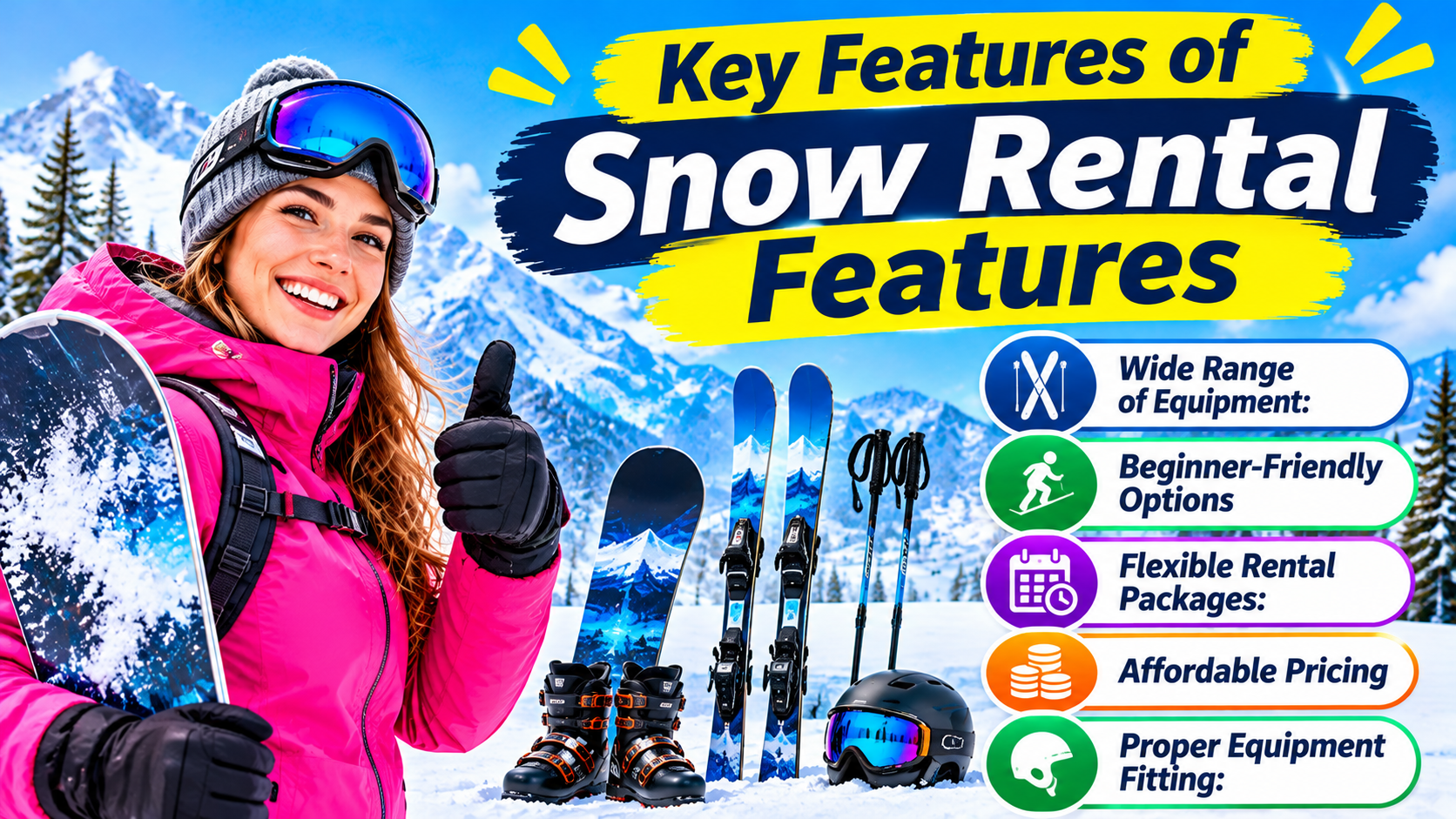
Key Features of Snow Rental
1. Wide Range of Equipment: Offers skis, snowboards, boots, helmets, poles, and other essential snow sports equipment.
2. Beginner-Friendly Options: Provides specially designed equipment for beginners to make learning easier and more comfortable.
3. Flexible Rental Packages: Customers can choose hourly, daily, weekend, or multi-day rental packages.
4. Affordable Pricing: Renting equipment helps customers enjoy skiing and snowboarding without purchasing expensive gear.
5. Proper Equipment Fitting: Rental professionals help customers select the correct equipment according to their height, weight, shoe size, and skill level.
Finding the Perfect Boots and Comfortable Fit
Boots are among the most important items when renting snow equipment. Even if you have selected excellent skis or a snowboard, uncomfortable boots can affect your entire experience.
Your boots should feel snug around your feet without causing pain. They should provide enough support while allowing comfortable movement. Avoid boots that are too loose because they can reduce control and increase the risk of blisters.
Try walking in the boots before accepting them. If you notice pressure points, numbness, or excessive movement, ask the rental staff for another size.
Wear one pair of suitable ski or snowboard socks rather than multiple thick pairs. A proper fit is much more important than simply choosing a larger boot.
Essential Snow Clothing and Accessories
Apart from rental equipment, beginners need suitable winter clothing. Spending several hours in cold weather requires clothing that keeps you warm, dry, and comfortable.
A simple layering system works well. Start with a thermal base layer that helps manage moisture. Add a fleece or insulated mid-layer for warmth, followed by a waterproof outer jacket and trousers.
Other useful accessories include:
- Waterproof gloves or mittens.
- Ski or snowboard socks.
- Snow goggles.
- Neck warmer.
- Sunscreen and lip balm.
- Waterproof winter boots for walking outside the slopes.
Avoid wearing cotton clothing as your main base layer because it can hold moisture and make you feel cold.
Safety Equipment Every Beginner Needs
Safety should always be a priority when participating in snow sports. A properly fitted helmet is essential for reducing the risk of serious head injuries.
When renting a helmet, check that it sits securely without moving excessively. Look for recognised snow-sport safety certification, such as ASTM F2040 or EN 1077.
Goggles are also important because they protect your eyes from sunlight, wind, and falling snow. Choose comfortable goggles that provide good visibility in the expected weather conditions.
Snowboard beginners may also consider wrist guards and padded shorts because falling is a normal part of the learning process.
Before entering the slopes, take a beginner lesson and understand the resort’s safety rules. Always stay within your skill level.
Understanding Snow Rental Packages and Prices
Many rental shops offer packages that combine several pieces of equipment at a discounted price. These packages are particularly useful for beginners who need multiple items.
Common rental packages include:
| Package | Equipment Included | Suitable For |
| Basic Ski Package | Skis, boots, and poles | Beginner skiers |
| Snowboard Package | Snowboard and boots | Beginner snowboarders |
| Complete Ski Package | Skis, boots, poles, and helmet | First-time skiers |
| Complete Snowboard Package | Board, boots, and helmet | First-time snowboarders |
| Helmet Rental | Helmet only | Visitors needing extra protection |
Prices depend on the resort, rental duration, equipment quality, and travel season. Daily rentals are generally suitable for short visits, while multi-day packages may offer better value.
Before booking, check whether helmets, insurance, equipment adjustments, and replacement services are included in the package.
Factors to Consider Before Renting Snow Equipment
Before choosing snow rental equipment, beginners should consider a few important factors. The right equipment can make learning easier, improve comfort, and help avoid unnecessary expenses.
- Skill Level: Choose equipment designed for beginners if you are trying skiing or snowboarding for the first time.
- Equipment Size: Check the correct size of skis, snowboards, and boots according to your body measurements.
- Rental Duration: Compare daily and multi-day rental prices to find an affordable option.
- Weather Conditions: Consider the temperature, snowfall, and slope conditions when selecting clothing and accessories.
- Equipment Condition: Check that all rented items are clean, properly maintained, and in good working condition.
- Rental Policies: Understand the replacement, damage, late-return, and cancellation policies before booking.
How to Choose the Best Snow Rental Shop
Selecting a reliable rental shop is just as important as choosing the right equipment. A good provider offers properly maintained products, helpful staff, and transparent pricing.
Start by checking online customer reviews and comparing different rental providers around your destination. Look for shops that offer beginner packages and have trained staff who can assist with equipment fitting.
You should also check whether the shop provides online reservations, flexible rental periods, and convenient collection locations. Some providers offer discounts for advance bookings or longer rental periods.
Before making a final decision, understand the shop’s policies regarding damaged equipment, late returns, and cancellations. These details can help you avoid unexpected costs during your trip.
Also Read:
How Park BCP Makes Airport Parking More Convenient for Modern Travellers
Hotelbreak: Discover Amazing Hotel Deals and Relaxing Getaway Experiences
Travelodeal: Your Guide to Affordable Holidays and Unforgettable Travel Experiences
How Ultimate Travel Club Helps Travelers Discover Affordable Vacation Opportunities
Erna Low Ski Holidays: Exploring Affordable Ski Trips and Alpine Adventures
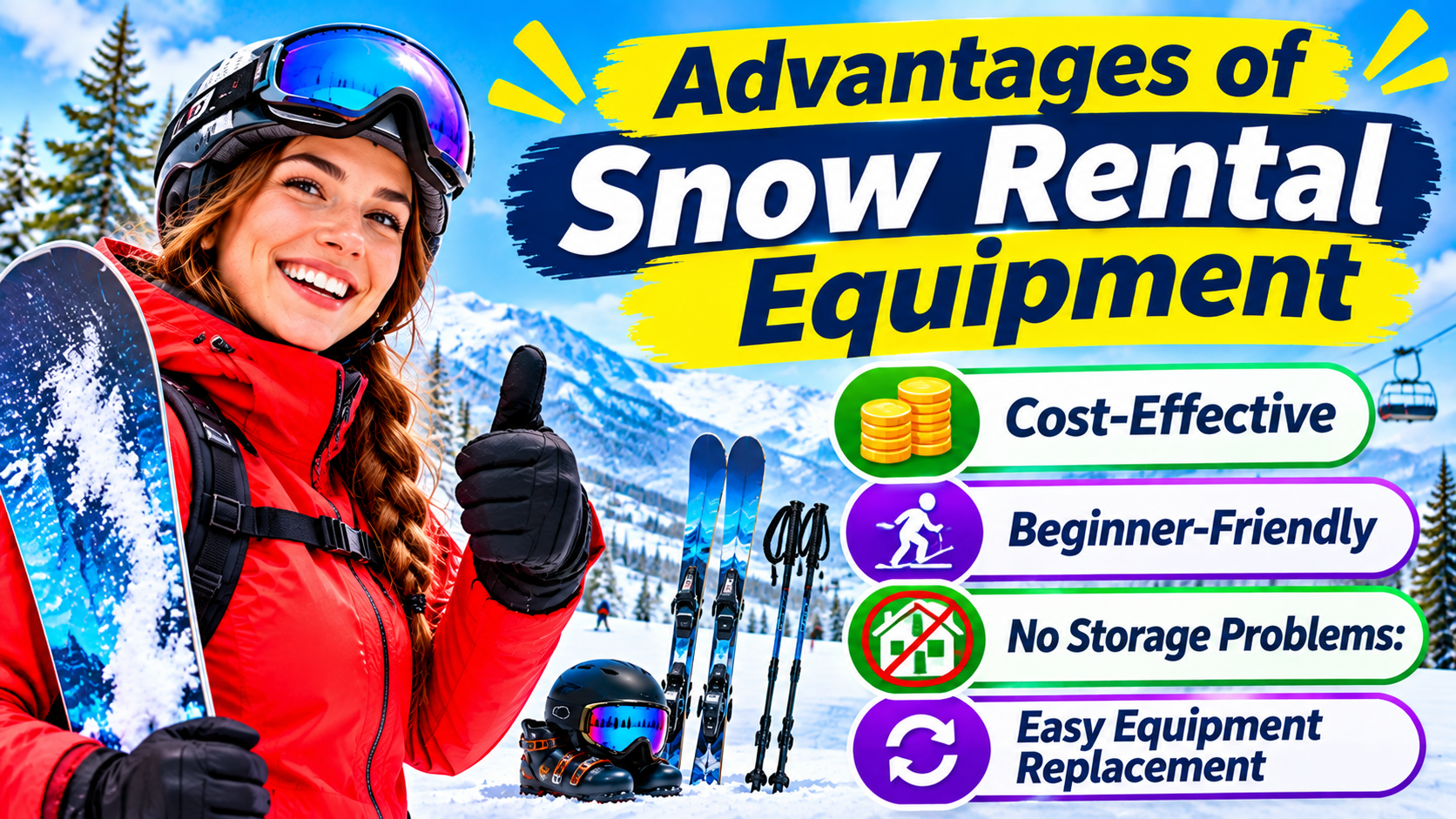
Advantages of Snow Rental Equipment
- Cost-Effective: Renting equipment is cheaper than purchasing expensive skis, snowboards, boots, and helmets.
- Beginner-Friendly: Beginners can access equipment specifically designed for learning snow sports.
- No Storage Problems: You do not need extra space to store bulky winter sports equipment.
- Easy Equipment Replacement: Rental shops can often replace or adjust equipment if something does not fit properly.
Disadvantages of Snow Rental Equipment
- Rental Costs Can Add Up: Renting equipment for several days or repeated trips can become expensive.
- Limited Availability: Popular equipment sizes may not be available during busy holiday periods.
- Fit and Comfort Issues: Shared equipment may not always provide the perfect fit.
- Waiting Time: Rental shops can become crowded, especially during weekends and peak seasons.
- Equipment Quality Differences: Some rental equipment may be older or show signs of regular use.
Is Snow Equipment Rental Suitable for Families?
Snow equipment rental can be a convenient option for families planning winter holidays. Children grow quickly, which means purchasing new skis, boots, and snowboards every season may not be practical.
Rental shops often provide equipment in different sizes for children and adults. Parents can select suitable helmets, boots, and beginner-friendly skis according to each family member’s requirements.
Families should pay special attention to equipment fitting and safety. Children’s equipment should be selected according to their individual measurements and ability rather than choosing larger sizes for future use.
Common Mistakes Beginners Should Avoid
First-time visitors often make simple mistakes when renting snow equipment. These mistakes can affect comfort, safety, and overall enjoyment.
One common mistake is choosing equipment based only on appearance or brand. Expensive equipment does not automatically make learning easier. Beginners should focus on comfort, correct sizing, and suitable performance.
Another mistake is accepting boots without testing them. Even small fitting problems can become uncomfortable after spending several hours on the slopes.
Some beginners also forget to rent helmets or bring suitable waterproof clothing. These items are important for staying protected and comfortable.
Here are a few mistakes to avoid:
- Selecting skis or snowboards that are too advanced.
- Wearing thick socks that make boots uncomfortable.
- Ignoring helmet fit and safety standards.
- Forgetting waterproof gloves and goggles.
- Skipping equipment adjustments.
- Renting at the last minute during busy periods.
Taking a little extra time during the rental process can prevent many of these problems.
Tips for a Smooth Snow Rental Experience
A little preparation can make renting equipment much easier. Start by researching rental shops near your chosen resort. Compare their packages, equipment options, and customer reviews before making a reservation.
If online booking is available, consider reserving your equipment in advance. This can reduce waiting time during busy holiday periods.
When collecting your equipment, provide accurate information about your height, weight, shoe size, and experience level. These details help rental professionals select suitable equipment.
Before leaving the shop, check that everything works correctly. Walk around in your boots, check your helmet, and ask staff to explain any unfamiliar adjustments.
It is also helpful to collect your equipment the evening before your first lesson if the rental shop allows it. This gives you more time to prepare and avoid morning queues.
Latest Posts:



Conclusion
Choosing the right snow rental equipment is an important part of enjoying your first skiing or snowboarding experience. Beginners do not need expensive professional equipment. Instead, they should focus on comfort, correct sizing, safety, and equipment suitable for their current skill level.
Renting skis, snowboards, boots, and helmets is a practical way to explore snow sports without spending too much money. Remember to select suitable clothing, check equipment carefully, and ask rental professionals for advice whenever necessary.
With the right preparation and beginner-friendly equipment, your first trip to the snow can become a memorable experience. Take your time, learn the basics, and enjoy every moment on the slopes.