
Discover how Packhelp helps growing businesses elevate their brand with custom packaging solutions. This guide explores how Packhelp enables companies to create unique, professional packaging that enhances brand identity, improves customer experience, and supports business growth.
Table of Contents
- Why Packaging Is More Than Just Protection
- What Is Packhelp?
- Key Features of Packhelp Custom Packaging
- Why Growing Businesses Choose Packhelp
- Designing Custom Packaging That Builds a Strong Brand
- Packaging Trends Shaping Ecommerce Brands
- Step-by-Step Guide to Creating Packaging with Packhelp
- Conclusion
- FAQs
Why Packaging Is More Than Just Protection
When most people think about packaging, they picture a simple cardboard box used to protect a product during shipping. But in today’s hyper-competitive business environment, packaging has evolved into something much more powerful—it’s now a branding tool, marketing asset, and customer experience driver all rolled into one. The moment a customer receives a product, the packaging becomes their first physical interaction with the brand. That interaction can shape perceptions, build trust, and even influence whether the customer buys again.
In ecommerce especially, packaging has taken center stage. Since customers cannot physically touch or experience the product before purchasing online, packaging becomes the bridge between digital and physical brand experience. A well-designed package communicates professionalism, attention to detail, and quality. On the other hand, poor packaging can leave customers questioning the reliability of a business—even if the product itself is excellent.
Research and industry insights consistently highlight that first impressions are heavily influenced by packaging, particularly for ecommerce brands. The packaging is often the first tangible representation of the brand identity customers encounter. If it looks generic or poorly designed, it can make even premium products feel cheap or forgettable. This is precisely why growing businesses are investing in custom packaging solutions rather than generic shipping boxes.
Custom packaging doesn’t just protect products—it tells a story. The color scheme, typography, texture, and messaging all contribute to the narrative a brand wants to communicate. Whether it’s luxury, sustainability, creativity, or innovation, packaging becomes the silent storyteller that reinforces brand values. For startups and growing companies, this storytelling power can make the difference between being remembered or ignored in a crowded marketplace.
The Rise of the Unboxing Experience
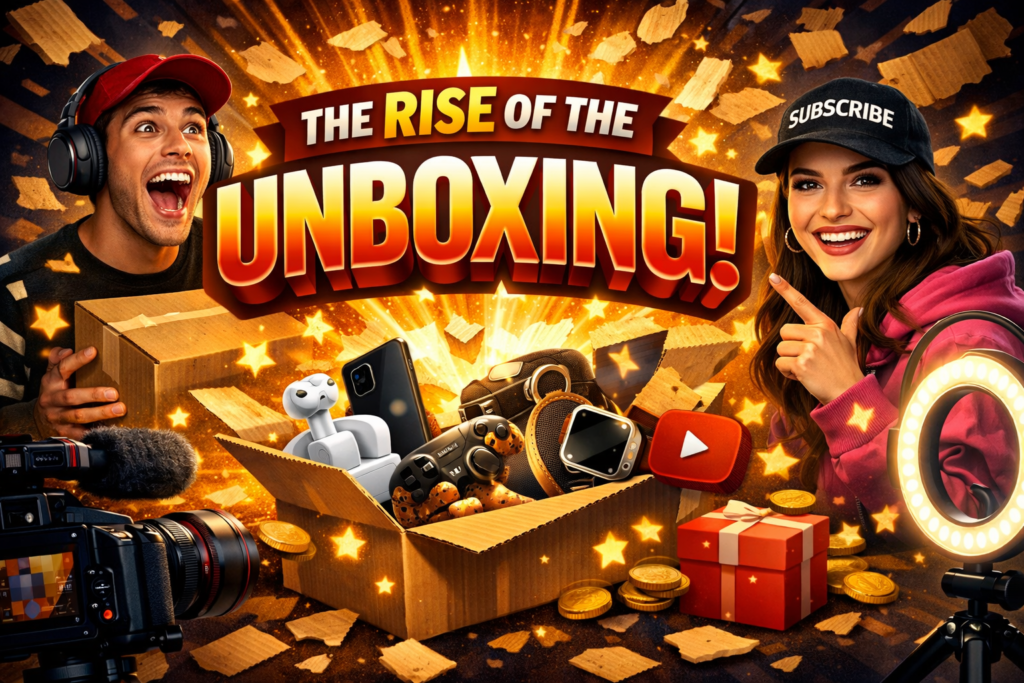
The modern consumer experience doesn’t stop at product delivery—it extends into the unboxing moment. Thanks to social media platforms like YouTube, Instagram, and TikTok, unboxing videos have become an influential marketing phenomenon. Customers love sharing visually appealing packaging with their followers, effectively turning a simple delivery into free brand promotion.
Businesses have quickly realized the potential of this trend. A thoughtfully designed package can create excitement and anticipation before the product is even revealed. Elements like custom tissue paper, branded stickers, personalized messages, and unique box designs transform ordinary packaging into an emotional experience.
The unboxing experience works because it taps into psychology. Humans naturally enjoy surprises and sensory engagement. Opening a well-designed package triggers curiosity and delight, reinforcing positive feelings toward the brand. These feelings often translate into higher customer satisfaction and stronger brand loyalty.
For growing businesses trying to compete with established brands, the unboxing experience is a powerful differentiator. You might not have the marketing budget of global companies, but you can still deliver a memorable customer experience through creative packaging.
This is exactly where Packhelp custom packaging solutions come into play—helping businesses of all sizes design packaging that stands out and creates memorable brand experiences.
What Is Packhelp?
The Story Behind Packhelp
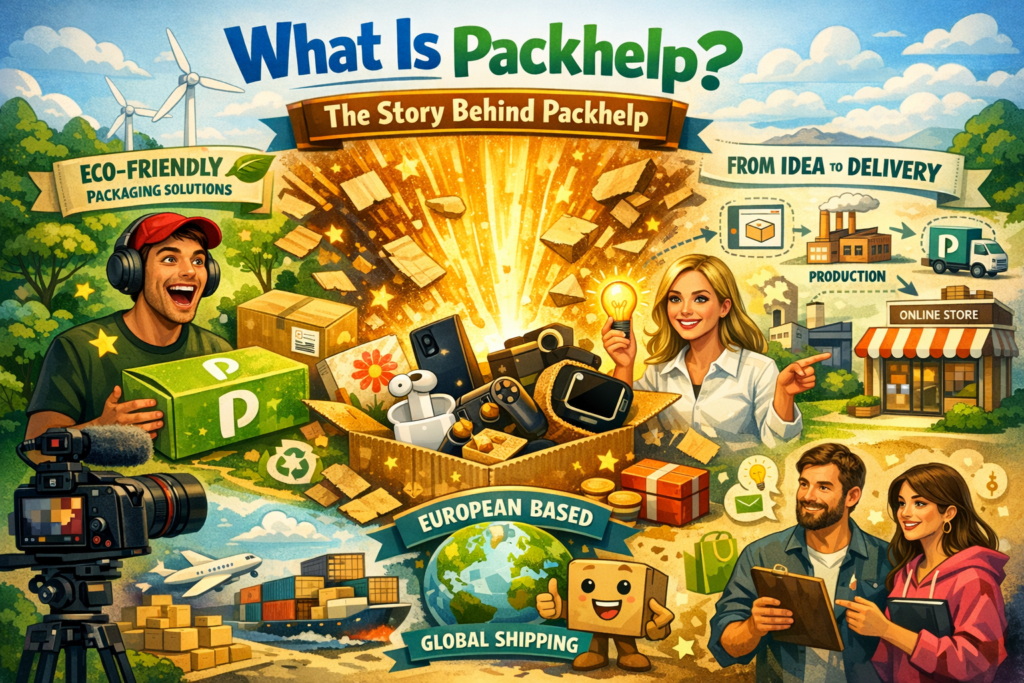
Packhelp is a technology-driven packaging platform designed to help businesses create custom-branded packaging quickly and efficiently. Founded in 2015 in Warsaw, Poland, the company set out with a clear mission: make custom packaging accessible to businesses of all sizes, not just large corporations.
Traditional packaging suppliers often required huge order quantities—sometimes tens of thousands of units—which made custom packaging unrealistic for startups and small ecommerce brands. Packhelp disrupted this model by building an online platform where businesses can design and order packaging in smaller quantities.
Since its launch, Packhelp has connected over 60,000 brands across more than 30 countries with custom packaging solutions, including well-known companies like Uber, Google, and H&M. The platform essentially acts as a bridge between businesses and packaging manufacturers, simplifying what used to be a complicated process involving multiple suppliers.
Instead of negotiating with printers, designers, and manufacturers separately, businesses can now manage the entire packaging process in one place. This includes design, prototyping, production, and delivery. By streamlining the supply chain and integrating technology, Packhelp allows brands to focus on growth while still maintaining professional packaging.
The company also emphasizes sustainability and eco-conscious packaging, encouraging businesses to transition toward recyclable and environmentally friendly materials. This focus aligns with global trends, as consumers increasingly prefer brands that prioritize environmental responsibility.
How Packhelp Helps Businesses Design Packaging
One of the most appealing aspects of Packhelp is its user-friendly design platform. Businesses can create custom packaging using an intuitive online editor without needing advanced graphic design skills. The platform includes templates, fonts, patterns, and design tools that make the process feel similar to designing a website or social media graphic.
Users can upload their brand logo, choose colors, and experiment with layouts until they find the perfect packaging design. The platform even provides real-time 3D previews, allowing businesses to visualize how the final product will look before ordering.
This approach eliminates the uncertainty often associated with packaging production. Instead of waiting weeks to see a prototype, brands can instantly preview their design and make adjustments. This speed and flexibility are particularly valuable for startups that need to move quickly and adapt to changing market conditions.
Beyond design, Packhelp also offers expert support in areas like material selection, cost optimization, and sustainability consulting. These services ensure that businesses not only create visually appealing packaging but also choose materials that align with their operational and environmental goals.
Key Features of Packhelp Custom Packaging
Online Packaging Design Tools
The heart of Packhelp’s platform lies in its digital design tools. The online editor enables businesses to create professional packaging without hiring expensive design agencies. With hundreds of customizable templates and patterns available, brands can quickly generate packaging that reflects their identity and product style.
One standout feature is the 3D packaging preview tool, which allows businesses to rotate and examine their designs from every angle before placing an order. This interactive feature reduces design errors and ensures the final product matches expectations.
The editor also includes options for typography, color palettes, graphics, and layout customization. According to Packhelp’s design data, popular font choices among brands include Times New Roman (27%), Montserrat (7.8%), and Lato (5.8%). These insights help businesses understand what design elements are commonly used in successful packaging.
The simplicity of the design process makes custom packaging accessible even to small ecommerce stores. Entrepreneurs can experiment with branding ideas, test different designs, and refine their packaging until it perfectly represents their brand.
Wide Range of Packaging Products
Another major advantage of Packhelp is its extensive product catalog. Businesses can choose from a variety of packaging solutions depending on their needs and industry.
Some of the most popular packaging options include:
- Custom mailer boxes
- Product boxes
- Shipping boxes
- Carrier bags
- Envelopes and mailing bags
- Tissue paper and packing materials
- Branded tape and labels
This variety allows businesses to maintain consistent branding across every packaging component. From the outer shipping box to the inner wrapping paper, every detail can reflect the brand identity.
Consistency is critical in branding because it reinforces recognition. When customers repeatedly see the same colors, logos, and design elements, they begin to associate those visuals with the brand. Over time, this familiarity builds trust and loyalty.
Sustainable Packaging Solutions
Sustainability has become one of the most important trends in packaging design. Consumers are increasingly concerned about environmental impact, and many prefer brands that use eco-friendly packaging.
Packhelp addresses this demand by offering a wide range of recyclable, biodegradable, and eco-conscious materials. Businesses can choose packaging made from recycled paper, biodegradable plastics, or alternative materials like bamboo and sugarcane fibers.
These options allow brands to reduce their environmental footprint without compromising design quality. In fact, sustainable packaging often enhances brand perception, positioning the company as responsible and forward-thinking.
Why Growing Businesses Choose Packhelp
Affordable Custom Packaging for Small Brands
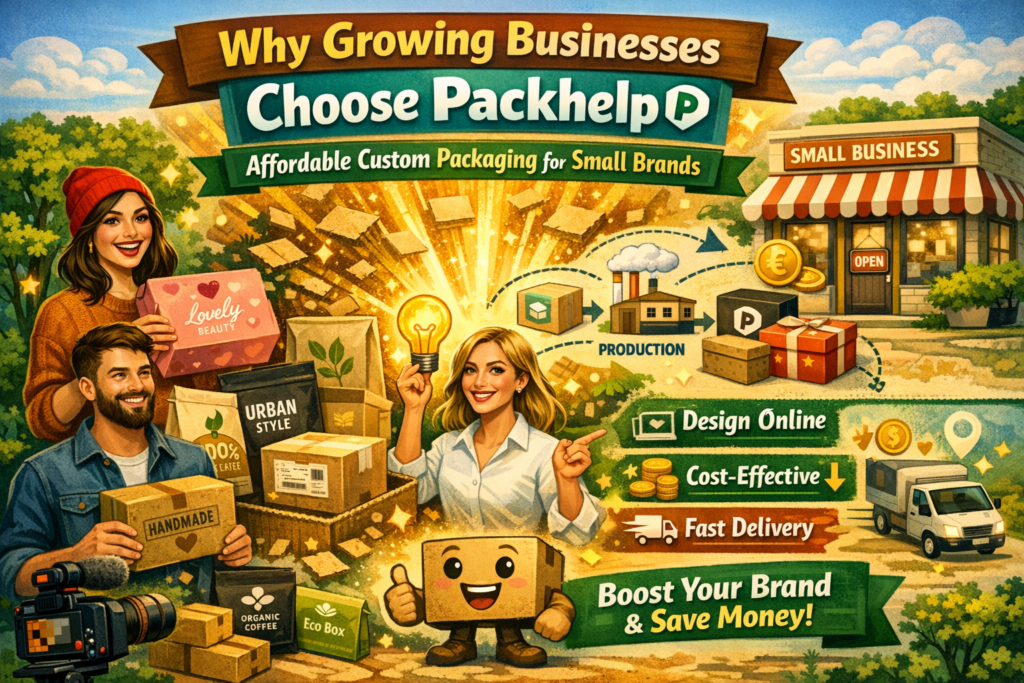
Startups often struggle with branding because they lack the resources of large companies. Custom packaging used to be expensive and required massive production orders. Packhelp changed this dynamic by allowing businesses to order smaller quantities of custom packaging at competitive prices.
This flexibility makes it possible for small brands to experiment with packaging designs without committing to huge investments. Entrepreneurs can test different concepts, gather customer feedback, and refine their packaging over time.
Affordable custom packaging also helps small businesses compete with larger brands. When a product arrives in beautifully designed packaging, customers perceive it as premium—even if the company is relatively new.
Scalability for Expanding Businesses
As businesses grow, their packaging needs evolve. A startup might initially require only a few hundred boxes per month, but successful companies may eventually need thousands.
Packhelp’s platform is designed to scale with business growth. Companies can easily increase order quantities, introduce new packaging designs, or expand into additional product categories without switching suppliers.
This scalability ensures that packaging remains consistent as the brand grows, maintaining a cohesive identity across all customer touchpoints.
Designing Custom Packaging That Builds a Strong Brand
Choosing the Right Packaging Style
Selecting the right packaging style is one of the most important branding decisions a business can make. The shape, size, and material of a package all influence how customers perceive the product. For example, luxury brands often use rigid boxes with magnetic closures to convey exclusivity and sophistication, while eco-friendly brands may prefer minimalist cardboard packaging made from recycled materials.
When designing packaging with Packhelp, businesses should start by considering their target audience and brand personality. A playful lifestyle brand might choose colorful mailer boxes with bold patterns, while a skincare company might opt for clean, minimalist packaging that communicates purity and elegance. Packaging should align with the product’s purpose and the emotions the brand wants to evoke.
Practicality is equally important. The packaging must protect the product during shipping while minimizing unnecessary material. Overly large boxes increase shipping costs and environmental impact, while packaging that is too small can damage products during transit. Finding the balance between protection, aesthetics, and efficiency is key to creating packaging that works for both the brand and the customer.
Another consideration is functionality. Packaging that is easy to open, reusable, or recyclable adds value to the customer experience. Brands that pay attention to these details often gain customer appreciation and positive word-of-mouth marketing.
Using Colors, Fonts, and Logos Effectively
Visual identity is the heart of strong branding, and packaging is one of the most visible places where that identity comes to life. Colors, fonts, and logos must work together to create a cohesive design that customers can instantly recognize.
Color psychology plays a powerful role in branding. Bright colors like red and orange convey excitement and energy, while softer tones like pastel blue or beige communicate calmness and sophistication. When businesses design packaging with Packhelp’s editor, they can experiment with different color palettes to see how each option changes the overall look and feel of the package.
Typography is another critical element. Fonts communicate personality in subtle but powerful ways. Elegant serif fonts may suggest luxury or tradition, while modern sans-serif fonts convey simplicity and innovation. According to Packhelp design insights, Times New Roman appeared in 27% of packaging designs, followed by Montserrat and Lato. This data highlights how typography trends influence modern packaging aesthetics.
Logos should be placed strategically so they are clearly visible but not overwhelming. Many brands choose to place their logo on the top of the box and repeat it subtly inside the packaging. This approach creates a layered branding experience that reinforces brand recognition during the unboxing process.
Adding Personal Touches to Enhance Customer Experience
Personalization has become one of the most effective ways to build emotional connections with customers. Small details—like a handwritten thank-you note, a custom sticker, or branded tissue paper—can transform packaging from a simple container into a memorable brand interaction.
Packhelp allows businesses to customize not only boxes but also tissue paper, tape, labels, and inserts, creating a complete branded packaging ecosystem. These details might seem minor, but they significantly influence how customers perceive the brand. When customers notice thoughtful touches inside the package, they feel valued and appreciated.
Personalization also encourages social sharing. Customers are more likely to post photos of beautifully packaged products on social media. Each post acts as organic marketing, exposing the brand to potential new customers without additional advertising costs.
For growing businesses, this kind of word-of-mouth marketing can be incredibly powerful. A single viral unboxing video can generate more attention than a paid advertising campaign.
Packaging Trends Shaping Ecommerce Brands
Minimalist and Pattern-Based Designs
Packaging design trends change frequently, just like fashion or web design. In recent years, many brands have moved toward minimalist aesthetics—clean layouts, simple typography, and subtle color palettes. Minimalist packaging communicates confidence and sophistication while keeping production costs manageable.
Pattern-based designs have also gained popularity. Instead of placing a logo in the center of the box, brands are expanding their visual identity into repeating patterns that cover the entire surface. This technique adds visual depth and makes packaging more recognizable from a distance. According to packaging design insights, many brands now use patterns as the central element of their packaging strategy.
Another emerging trend is the embrace of imperfect or handcrafted design elements. Rough textures, handwritten fonts, and asymmetrical layouts create an authentic feel that resonates with modern consumers. These designs signal individuality and creativity, which many customers associate with independent brands and startups.
Minimalism, patterns, and handcrafted elements all share one common goal: making packaging feel intentional rather than generic. When customers sense that a brand has carefully considered its packaging design, they perceive the entire brand as more trustworthy and professional.
Eco-Friendly Packaging Trends
Sustainability is no longer optional—it has become an expectation among modern consumers. Brands that ignore environmental concerns risk losing credibility, especially with younger audiences who prioritize eco-conscious purchasing decisions.
Many companies are now switching to mono-material packaging, which uses a single recyclable material rather than combining multiple layers of plastic, paper, and foil. This approach simplifies recycling and reduces environmental impact. Packhelp has observed growing demand for materials like bamboo, sugarcane fiber, and biodegradable paper-based packaging.
Eco-friendly packaging also extends beyond materials. Brands are reducing packaging size, eliminating unnecessary inserts, and optimizing shipping efficiency to lower carbon footprints. Even design choices—such as printing fewer colors or using soy-based inks—can contribute to sustainability.
Consumers notice these efforts. Packaging that clearly communicates environmental responsibility can strengthen brand reputation and encourage customer loyalty.
Related Post:



Step-by-Step Guide to Creating Packaging with Packhelp
Designing Your First Custom Package
Creating custom packaging with Packhelp is designed to be straightforward, even for beginners. The process begins by selecting the type of packaging that best suits your product. Businesses can choose from options such as mailer boxes, product boxes, shipping boxes, and flexible packaging solutions.
Once the product type is selected, the next step is customization. The Packhelp online editor allows users to upload their logo, adjust colors, add text, and experiment with design layouts. Because the editor provides a real-time preview, businesses can instantly see how each change affects the final appearance of the package.
Testing different variations is encouraged during this stage. Some brands create multiple versions of their packaging and share them with team members or customers for feedback. This collaborative approach often leads to more refined designs that resonate with the target audience.
Before placing a full order, businesses can also request sample packs. These samples allow companies to evaluate material quality, print clarity, and structural durability before committing to larger production runs.
Ordering, Production, and Delivery
After finalizing the design, businesses can place an order directly through the Packhelp platform. The system calculates pricing based on factors such as packaging type, quantity, materials, and printing methods.
One advantage of Packhelp is its transparent ordering process. Businesses can track production status and estimated delivery timelines through the platform dashboard. This level of visibility helps companies plan inventory and shipping schedules more effectively.
Production is handled through Packhelp’s network of packaging manufacturers, ensuring high-quality printing and structural integrity. Once completed, the packaging is shipped directly to the business or fulfillment center.
The entire process—from design to delivery—is designed to be faster and more efficient than traditional packaging procurement methods. For growing businesses that need agility, this streamlined workflow is a major advantage.
Read More:-
ZoomInfo: The Complete B2B Lead Generation Tool for Marketers
How Xero Simplifies Accounting for Digital Marketing Businesses
How Similarweb Helps Marketing Agencies Analyze Competitors
Workable: The Best Recruitment Software for Marketing Agencies
Unbounce: The Best Landing Page Builder for Marketing Agencies
Conclusion
Custom packaging has evolved into a crucial component of modern branding. For growing businesses, it represents an opportunity to create memorable customer experiences, strengthen brand identity, and stand out in a crowded marketplace. Packaging is no longer just a protective layer—it’s a storytelling medium that communicates a brand’s personality, values, and attention to detail.
Packhelp has simplified the once-complicated process of creating custom packaging. By combining intuitive design tools, scalable production, and sustainable material options, the platform empowers businesses of all sizes to build professional packaging without massive investments.
For startups and expanding brands alike, thoughtful packaging can transform ordinary deliveries into powerful marketing moments. When customers open a package that feels intentional, beautiful, and aligned with the brand’s identity, they remember the experience—and they often share it with others.
FAQs
Q. What is Packhelp used for?
A. Packhelp is an online platform that allows businesses to design, customize, and order branded packaging such as boxes, mailers, and packaging accessories. It simplifies the packaging process by providing design tools and manufacturing services in one place.
Q. Is Packhelp suitable for small businesses?
A. Yes. Packhelp was specifically created to make custom packaging accessible to startups and small brands by offering lower minimum order quantities and flexible customization options.
Q. What types of packaging products does Packhelp offer?
A. Packhelp offers a wide variety of packaging products including mailer boxes, product boxes, shipping boxes, envelopes, branded tape, tissue paper, and flexible packaging solutions.
Q. Does Packhelp provide sustainable packaging options?
A. Yes. Packhelp offers eco-friendly materials such as recycled cardboard, biodegradable packaging, and alternative fibers like bamboo and sugarcane, helping brands reduce their environmental impact.
Q. Why is custom packaging important for branding?
A. Custom packaging strengthens brand identity, improves customer experience, and encourages social sharing. It also helps businesses stand out in competitive markets by delivering a memorable unboxing experience.