Planning a trip? Learn how to Compare Your Travel Insurance (Canada) to understand policy benefits, medical protection, premiums, and exclusions. This guide explains the key factors to consider when choosing travel insurance so you can select coverage that matches your destination, budget, and travel needs.
Table of Contents
- What Does Travel Insurance Mean?
- Why Is Comparing Travel Insurance Important for Canadians?
- Different Types of Travel Insurance Coverage
- Important Details to Compare Before Purchasing a Policy
- Key Features of Compare Your Travel Insurance (Canada)
- What Determines the Cost of Travel Insurance in Canada?
- Choosing Travel Insurance for Your Type of Trip
- Travel Insurance Errors You Should Avoid
- Travel Insurance for International Destinations
- Understanding Deductibles and Reimbursement Limits
- What to Do When You Need to Make a Travel Insurance Claim
- Benefits of Comparing Travel Insurance Online
- Travel Insurance for Cruises and Adventure Activities
- Tips for Getting Better Value from Travel Insurance
- How to Compare Travel Insurance Quotes in Canada
- How to Select the Most Suitable Travel Insurance
- Conclusion
- Frequently Asked Questions
What Does Travel Insurance Mean?
Travel insurance is a financial protection plan designed to help you manage certain unexpected problems during a journey. Depending on the policy you purchase, it may cover emergency healthcare, cancelled bookings, interrupted trips, delayed flights, lost luggage, and emergency transportation. For Canadians travelling internationally, medical insurance deserves special attention because provincial and territorial healthcare plans may pay only a limited amount toward treatment received outside Canada.
Consider a situation where you become ill or suffer an injury while visiting another country. Hospital treatment, medical transportation, and related services could create expenses that are difficult to manage without adequate protection. By comparing travel insurance options in Canada, you can examine available benefits, policy restrictions, and premiums before making your decision. This preparation helps you understand the protection you are purchasing instead of discovering important limitations when you need assistance.
Why Is Comparing Travel Insurance Important for Canadians?
Selecting travel insurance should involve more than choosing a company with an attractive price. Policies can differ considerably in their medical coverage limits, deductibles, cancellation benefits, eligibility rules, and exclusions. Comparing these details allows you to evaluate whether a particular plan offers suitable protection for your circumstances.
Before purchasing another policy, review any travel benefits already available through your workplace, private health insurance, or credit card. Existing coverage might provide useful protection, but it could also have restrictions involving trip duration, eligible travellers, or medical expenses. When you Compare Your Travel Insurance (Canada) options, consider both the additional protection you need and the amount you are willing to spend. A careful review can help you avoid paying for unnecessary benefits while identifying gaps that deserve attention.
Different Types of Travel Insurance Coverage
Travel insurance is available in several forms, and each option addresses different travel-related risks. Understanding these categories can help you decide which benefits matter most for your upcoming journey. Your choice should reflect your destination, travel dates, activities, and personal circumstances rather than simply following a popular recommendation.
Emergency Medical and Trip Cancellation Protection
Emergency medical coverage can help pay eligible expenses arising from an unexpected illness or injury during a covered trip. Depending on the policy, benefits may include hospital treatment, physician services, prescription medication, and medically necessary emergency transportation. Before purchasing a plan, check its maximum payment limits and the process for contacting the insurer when medical assistance becomes necessary.
Trip cancellation coverage is designed to reimburse eligible prepaid travel expenses when a covered event prevents you from leaving as planned. Trip interruption insurance may provide benefits when an unexpected covered situation forces you to return home early or change your arrangements. Some policies also offer protection for delayed baggage, missed connections, travel delays, and rental vehicle damage. Because these benefits vary between insurers, carefully examine the policy wording before deciding which combination of coverage is appropriate.
Important Details to Compare Before Purchasing a Policy
A useful insurance comparison examines the quality of protection alongside the cost. Looking at the advertised premium alone may hide important differences that could affect your financial responsibility during a claim. Review the following features before choosing your policy.
| Policy feature | Important details to review |
| Emergency medical benefits | Maximum eligible medical expenses covered |
| Deductible | Amount payable by you before applicable insurance benefits |
| Existing medical conditions | Medical stability rules and relevant exclusions |
| Cancellation protection | Covered cancellation events and reimbursement limits |
| Baggage benefits | Compensation limits for lost, damaged, or delayed belongings |
| Emergency assistance | Availability of assistance and medical coordination |
| Coverage period | Whether the policy covers your entire journey |
| Travel activities | Restrictions involving skiing, diving, and adventure sports |
Understanding Coverage Limits and Policy Exclusions
The overall coverage limit tells you the maximum amount an insurer may pay for specified benefits, subject to the policy terms. However, individual services can have lower limits, and deductibles or other conditions may affect the amount you receive. A policy offering a high medical benefit may still exclude certain activities or restrict claims connected with medical conditions that do not meet its requirements.
Read the exclusions section carefully and ask the insurance provider to clarify unfamiliar terms before you buy. You should also review official travel advisories for your destination because certain circumstances may affect your eligibility for coverage. Understanding these restrictions in advance can help you select a policy that better matches your planned activities and potential risks.
Key Features of Compare Your Travel Insurance (Canada)
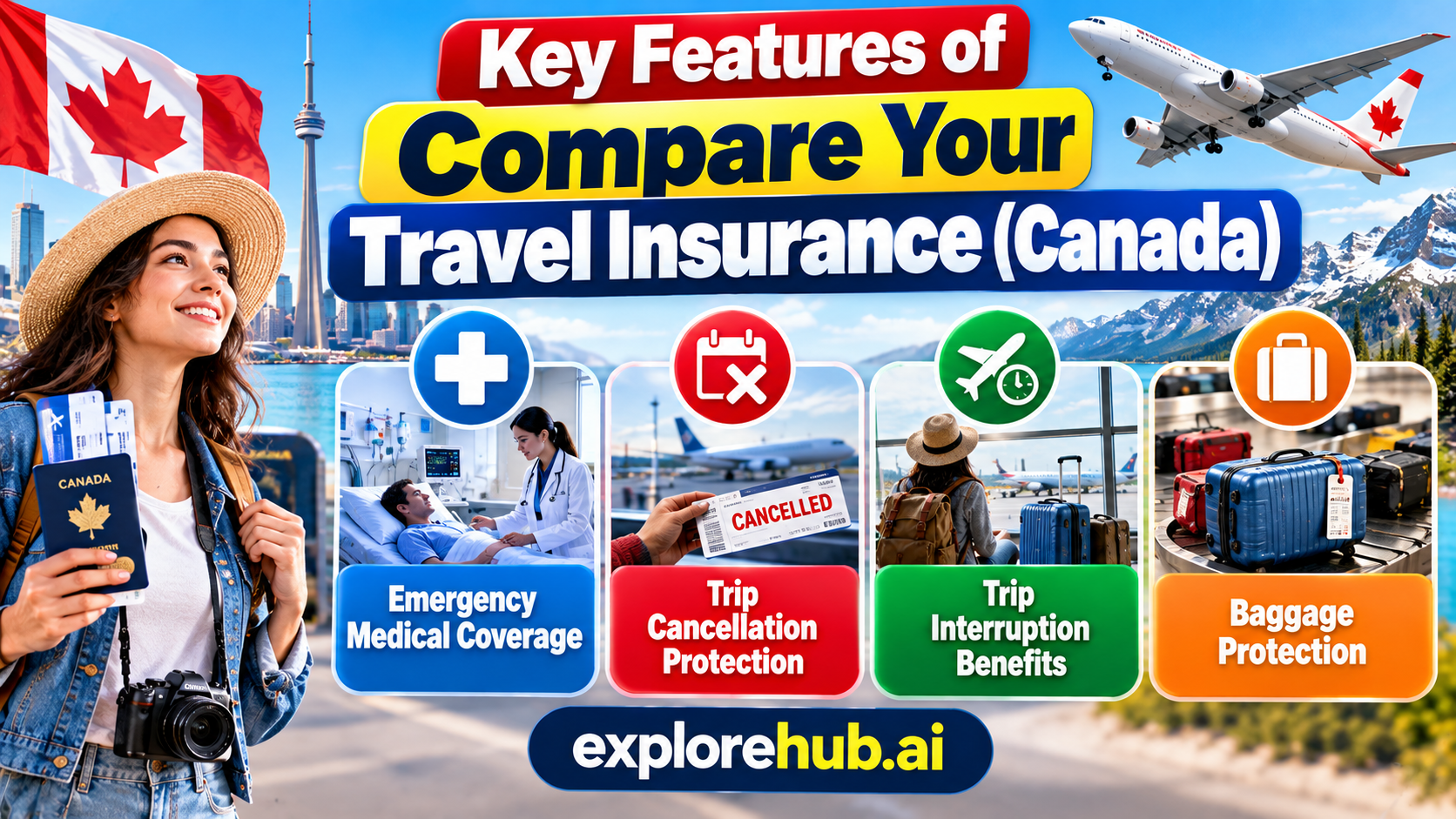
- Emergency Medical Coverage: Helps cover eligible medical expenses during unexpected illnesses or injuries while travelling.
- Trip Cancellation Protection: Provides reimbursement for eligible prepaid travel expenses when a covered event forces cancellation.
- Trip Interruption Benefits: Helps with eligible expenses when a covered emergency disrupts your journey.
- Baggage Protection: Offers benefits for eligible lost, damaged, or delayed luggage.
What Determines the Cost of Travel Insurance in Canada?
The price of travel insurance depends on several personal and trip-related factors. These commonly include your age, destination, length of travel, medical circumstances, and the benefits included in your chosen plan. A short holiday with basic emergency medical protection may have a different premium from an extended international trip with comprehensive benefits.
Because insurers calculate premiums differently, there is no single price that applies to every Canadian traveller. Request personalized quotations from multiple providers and compare them using the same travel dates, destinations, and coverage requirements. This approach gives you a clearer understanding of the differences between the available options.
| Insurance plan | Main advantage | Important consideration |
| Single-trip insurance | Designed for an individual journey | Protection applies according to the selected policy dates |
| Annual multi-trip insurance | Can suit people who travel regularly | Individual trips may have duration restrictions |
| Medical-only insurance | Concentrates on emergency healthcare | Cancellation and baggage benefits may be excluded |
| Comprehensive travel insurance | May combine several protection categories | More benefits can mean additional conditions to review |
Remember that a smaller premium does not automatically represent the best deal. Examine the benefits, exclusions, and deductible together to determine whether the policy provides suitable value. Your goal should be to find affordable protection that meets your needs rather than simply selecting the least expensive quotation.
Choosing Travel Insurance for Your Type of Trip
Different travellers face different insurance requirements. A suitable policy should reflect your age, travel arrangements, existing medical circumstances, and reason for visiting another country. Reviewing these needs before requesting quotations can make the comparison process more efficient.
Families travelling together: Parents should examine family coverage, children’s eligibility, emergency medical benefits, and cancellation protection. Confirm whether the policy covers every family member and whether separate conditions apply to individual travellers.
Older travellers: Senior travellers should pay particular attention to age-related eligibility requirements, medical questionnaires, premium calculations, and stability periods for existing medical conditions. Reviewing these details carefully is especially important when comparing plans with different medical underwriting rules.
Students studying overseas: Students may need protection for an extended period rather than a short holiday. They should check the duration of coverage, eligibility requirements, and any insurance conditions established by their educational institution.
Frequent travellers: People taking several trips each year may find an annual multi-trip policy convenient. However, they should verify the maximum permitted duration of each journey and confirm that their intended destinations fall within the policy’s coverage area.
Visitors coming to Canada: International visitors may require insurance designed specifically for people visiting Canada. These policies can have different eligibility requirements, waiting periods, and rules concerning existing medical conditions compared with plans intended for Canadian residents travelling abroad.
Travel Insurance Errors You Should Avoid
Even a policy with useful benefits can disappoint if you misunderstand its conditions. Learning about common purchasing mistakes can help you make a more informed choice and avoid unexpected financial responsibilities.
- Selecting a plan based only on price: A cheaper premium may come with lower benefit limits, larger deductibles, or more restrictive exclusions.
- Providing incomplete medical information: Failing to disclose requested medical details accurately can affect eligibility or a future claim.
- Ignoring emergency transportation benefits: Medical evacuation can involve substantial expenses, so examine whether and how the policy covers it.
- Overlooking activity restrictions: Certain sports, adventure activities, and other circumstances may require additional protection or may be excluded.
- Choosing incorrect coverage dates: Make sure the policy period matches your travel arrangements and applicable eligibility conditions.
- Depending entirely on credit card benefits: Card-based insurance may have payment conditions, trip-length restrictions, or limits on who qualifies for protection.
Before departure, keep a copy of your insurance documents, policy number, and emergency assistance contact information. Store these details somewhere you can access them easily while travelling. Knowing how to reach your insurer can make it easier to understand the next steps if an unexpected event occurs.
Travel Insurance for International Destinations
Your travel destination can influence the type and amount of insurance protection you need. Healthcare expenses, transportation arrangements, local medical facilities, and travel risks differ between countries. For example, travellers visiting destinations with expensive private healthcare may want to pay particular attention to emergency medical limits and medical evacuation benefits.
Before departure, research your destination and review official travel advisories. Check whether your policy covers every country on your itinerary, including locations you may visit during a connecting flight or cruise. Some policies also impose restrictions involving specific activities, travel advisories, or destinations. Choosing appropriate international travel insurance can help you prepare for unexpected situations while understanding the financial protection available under your policy.
Understanding Deductibles and Reimbursement Limits
A deductible is the amount you may have to pay yourself before certain insurance benefits apply. For example, if an eligible claim is $1,000 and the applicable deductible is $100, the insurer might pay $900, assuming the policy covers the full remaining amount and no other limits apply. Actual claim payments depend on the contract terms, exclusions, and any other applicable conditions.
Reimbursement limits are equally important because insurers may set maximum payments for particular benefits. A policy might provide a high overall medical limit but offer smaller allowances for baggage, travel delays, or individual items. When comparing travel insurance plans in Canada, examine both the overall coverage amount and any sub-limits. Understanding these details helps you assess the potential costs you could still face if you need to make a claim.
What to Do When You Need to Make a Travel Insurance Claim
Knowing how to make a claim before leaving home can help you respond more confidently if an unexpected problem occurs. Start by saving your insurer’s emergency contact number, policy documents, and claim instructions. If you require emergency medical assistance, contact the insurer as soon as reasonably possible when circumstances allow, and follow its instructions regarding treatment, authorization, and documentation.
Keep copies of medical reports, hospital invoices, receipts, airline notifications, and other documents related to the incident. For cancellation or interruption claims, retain evidence explaining why your travel plans changed. Submit the requested paperwork within the deadlines specified by your insurer. Remember that submitting a claim does not automatically guarantee payment; the insurer will assess whether the event and expenses qualify under your policy.
Also Read:
WebHosting UK Com Ltd. Hosting Plans Explained for Travel Creators
Hotel NYX Cancun (US): Best Rooms and Booking Tips
Britannia Hotels for Tourists: Comfort, Cost, and Convenience Reviewed
TravelTime Travel Insurance: Protecting Your Adventures Around the World
A Practical Guide to Finding Everyday Travel Essentials at Topdrawer
Benefits of Comparing Travel Insurance Online
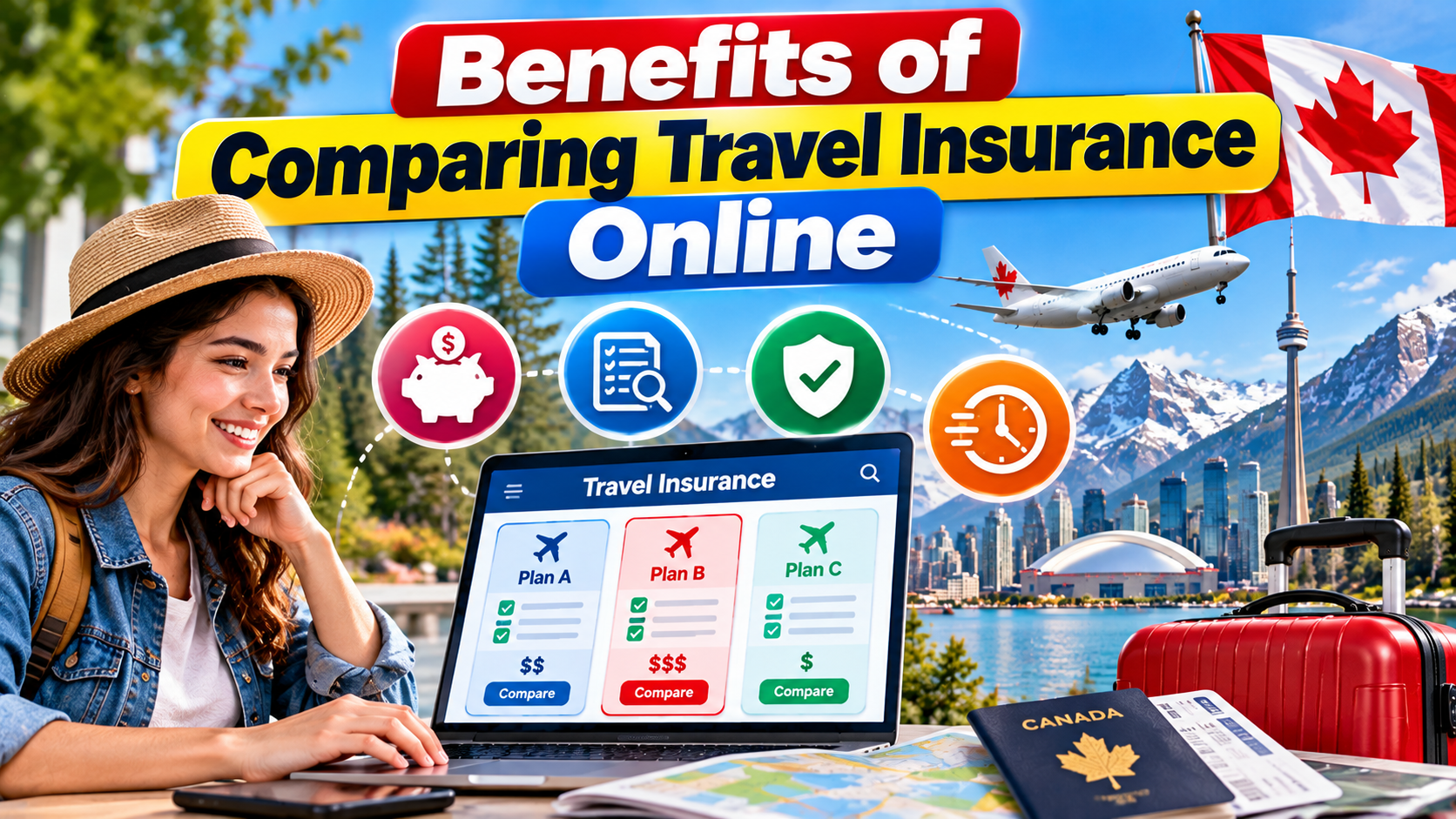
Comparing travel insurance online makes it easier to explore different policies without contacting every provider individually. You can review premiums, medical benefits, cancellation protection, and policy restrictions from the comfort of your home. This approach also helps you identify differences between basic medical plans and comprehensive travel insurance packages.
When you compare your travel insurance in Canada, make sure you evaluate policies using the same trip dates, destination, traveller details, and coverage requirements. A cheaper quotation may provide fewer benefits or include a higher deductible. Reviewing the complete policy wording helps you understand what you are purchasing and whether the plan meets your expectations. Online comparisons can save time, but you should always verify important details directly with the insurance provider before making a final decision.
Travel Insurance for Cruises and Adventure Activities
Cruises and adventure holidays can involve risks that ordinary travel insurance may not fully address. Travellers taking a cruise should review coverage for emergency medical treatment onboard, medical evacuation, missed departures, and trip interruptions. They should also check whether the policy covers every country visited during the cruise and whether any special cruise-related exclusions apply.
People planning skiing, scuba diving, hiking, or other adventure activities should confirm that their chosen policy covers those activities. Certain plans exclude high-risk sports or require an additional benefit. Travellers should also review equipment protection, rescue expenses, and any restrictions based on the activity’s location or difficulty. Selecting coverage that matches your itinerary can help prevent misunderstandings when unexpected events occur.
Tips for Getting Better Value from Travel Insurance
Finding suitable travel insurance involves balancing affordability with meaningful protection. Start by reviewing any benefits you already receive through your credit card, employer, or private health plan. This can help you identify missing coverage and avoid purchasing duplicate benefits unnecessarily.
Request multiple quotations and compare policies with similar coverage limits, deductibles, and cancellation benefits. Provide accurate information about your age, medical history, destination, and travel dates so that the quotations reflect your circumstances. Do not reduce important protection simply to obtain a lower premium. Instead, consider which benefits are essential for your trip and choose a deductible you could comfortably afford. Before paying, read the complete policy documents and confirm any unclear conditions with the insurer.
How to Compare Travel Insurance Quotes in Canada
Comparing travel insurance quotes in Canada is an important step toward finding suitable protection for your trip. Different insurance providers offer different benefits, coverage limits, deductibles, and prices. Instead of choosing a policy based only on cost, review what each plan actually covers.
Start by checking emergency medical expenses, hospital treatment, medical evacuation, trip cancellation, baggage protection, and travel delays. Consider your destination, trip duration, age, and planned activities before making a decision. Reading the policy documents carefully can help you identify exclusions and avoid unexpected expenses.
Latest Posts:




How to Select the Most Suitable Travel Insurance
Finding an appropriate policy becomes simpler when you follow a consistent comparison process. Begin by identifying the risks associated with your destination and the type of journey you are planning. Then use the same requirements when evaluating quotations so that you can compare the available benefits fairly.
First, establish your coverage needs by considering your travel dates, destination, age, medical history, and planned activities. Next, check whether your credit card, employer, or private health plan already provides relevant benefits. Once you understand your existing protection, request quotations from several insurance providers and compare their medical limits, deductibles, cancellation benefits, and exclusions.
Conclusion
Taking time to Compare Your Travel Insurance (Canada) options can help you understand the protection available for your next journey. Instead of focusing exclusively on premiums, examine medical benefits, deductibles, exclusions, trip cancellation protection, and the insurer’s emergency assistance arrangements.
Review any existing coverage, obtain quotations from different providers, and read the policy conditions before making a purchase. The right choice will depend on your individual circumstances and travel plans. With careful preparation, you can make a more informed insurance decision and travel with greater confidence.